
Lai Chau
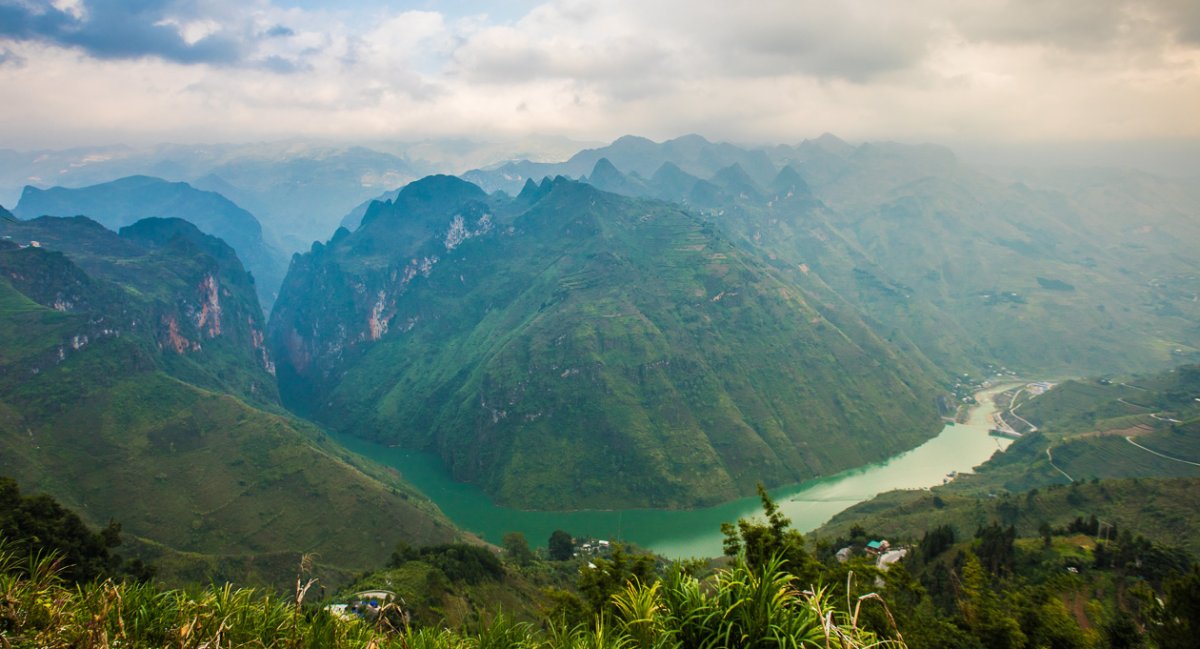
In Vietnam’s northwest, Lai Chau rewards travellers with towering peaks, cloud-filled valleys and vibrant ethnic cultures. Far from the country’s busiest tourist routes, this mountainous province offers opportunities to trek through rugged landscapes, visit welcoming highland villages and discover a quieter side of Vietnam, where everyday life remains closely connected to the surrounding mountains and forests.

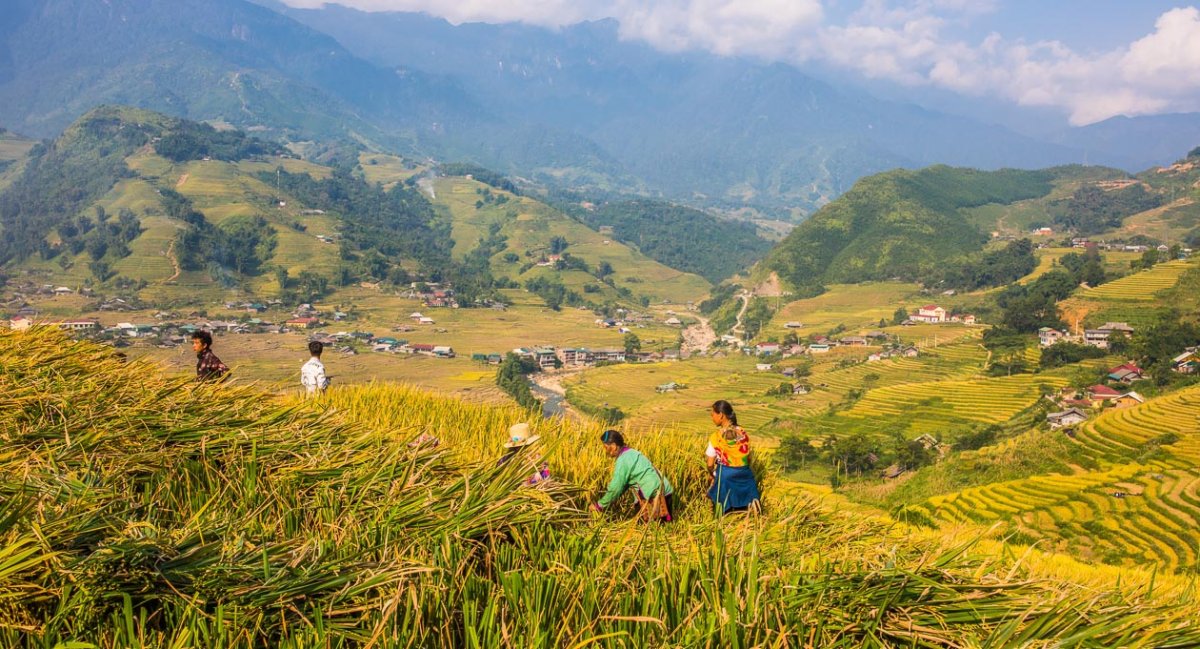
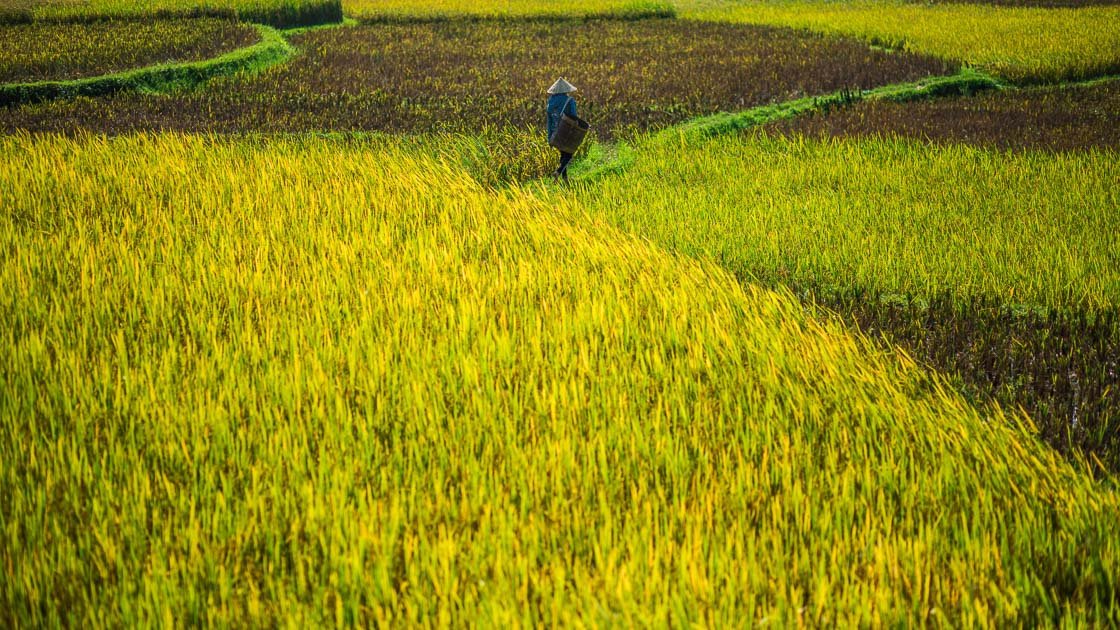
Autumn brings golden rice terraces and clear mountain views, while spring offers blooming wildflowers, mild temperatures and fresh green landscapes.

Summers are warm and rainy, while winters are cold, especially at higher elevations. Mountain weather can change quickly.

Around 7 - 9 hours by coach, sleeper bus or private car, depending on traffic and road conditions.
About Lai Chau
Lai Chau is a land of dramatic contrasts, from the towering peaks of the Hoang Lien Son range to terraced fields, forested valleys and cascading waterfalls. Its high-altitude landscapes attract trekkers seeking challenging climbs and spectacular cloud seas, while community-based tourism offers a closer look at the traditions of Thai, Hmong, Dao and other ethnic groups. From the welcoming village of Sin Suoi Ho to the misty plateau of Sin Ho, Lai Chau combines outdoor adventure with distinctive cultural encounters.
Top spots to visit
- Pu Ta Leng Peak: Challenge yourself on a demanding trek through dense forests and rhododendron-covered slopes, with sweeping mountain views along the way.
- Sin Suoi Ho Village: Discover a Hmong community known for its clean stone pathways, flower gardens, local handicrafts and welcoming homestays.
- Sin Ho Plateau: Enjoy cool mountain air, rolling hills and early-morning cloud formations across this elevated landscape.
- O Quy Ho Pass & Rong May Glass Bridge: Take in panoramic mountain scenery from one of the Northwest’s famous passes, then experience the glass bridge for a dramatic view over the valley.
- Pu Sam Cap Caves: Explore limestone caverns filled with striking rock formations and fascinating underground scenery.
- Na Khuong Water Wheels: See traditional wooden water wheels used by local Thai communities to channel water towards their rice fields.
Top things to do
- Trek through the highlands: Join a guided expedition to Pu Ta Leng or other mountain peaks for forest trails, sunrise views and cloud hunting.
- Stay in an ethnic village: Spend a night in a local homestay, sample home-cooked meals and learn about traditional architecture and daily life.
- Visit San Thang Market: Browse colourful textiles, regional produce and local specialities while observing the lively exchange between highland communities.
- Explore the countryside: Photograph terraced fields, waterfalls and tea hills, or enjoy a scenic drive through the province’s winding mountain roads.
Must-try Flavours
- Ash-roasted goby: Fresh stream fish seasoned with herbs and spices, wrapped in leaves and cooked in warm ash.
- Lam Nho: (grilled and tenderised buffalo in a bamboo tube): A traditional Thai dish of grilled or cooked meat pounded with herbs and seasonings.
- Purple Sticky Rice: Glutinous rice coloured naturally with forest leaves, offering a distinctive hue and gentle aroma.
- Cham Cheo: (Northwestern dipping sauce / dipping salt): A signature Northwest dipping sauce made with chilli, herbs, salt and aromatic mắc khén pepper.
- Smoked Buffalo Meat: Thinly sliced buffalo meat seasoned with local spices and smoked to develop a rich, savoury flavour.
Signature Events & Festivals
- Gau Tao Festival (typically Jan/Feb, lunar calendar): Experience Hmong cultural traditions through folk games, music and communal celebrations.
- Long Tong Festival (first lunar month): Discover the traditional field-opening festival celebrated by Thai and other local communities, with agricultural rituals and folk activities.
- Kin Lau Khau Mau Festival (harvest season): Learn about Thai traditions of giving thanks for the harvest through rituals and community gatherings.
Festival dates and programmes may vary by locality and year. Check local announcements before planning a visit.
Nearby Places
Showing 3 of All Place