To truly understand Vietnam, you must step away from the glossy espresso machines and pull up a low plastic stool on a bustling city sidewalk. Coffee here is not a hasty morning fix or a dry commodity, it is a slow, deeply sensory cultural ritual.
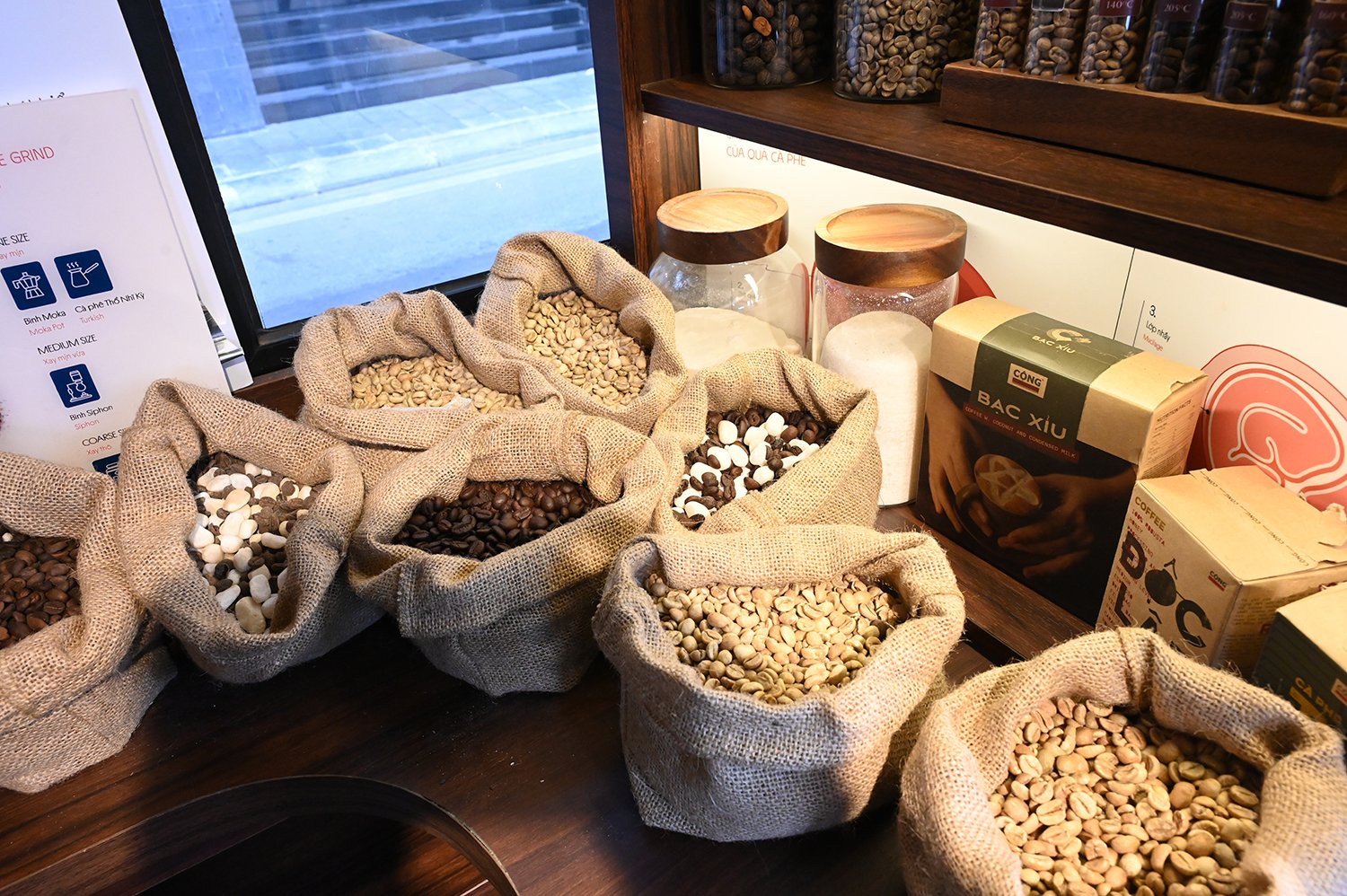
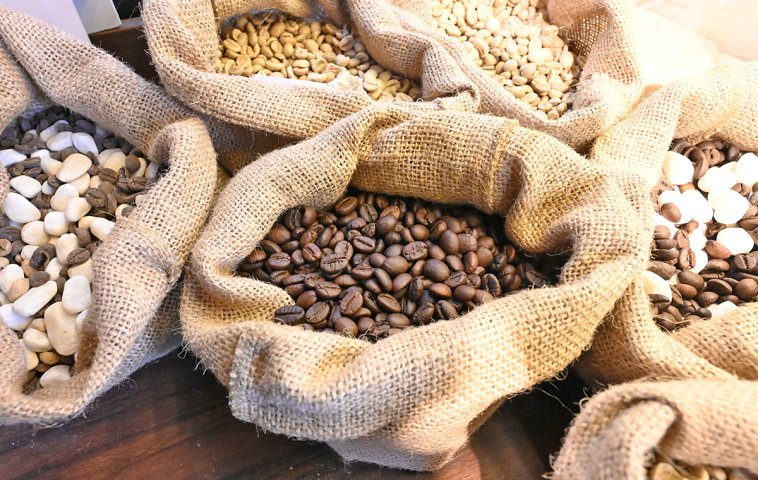
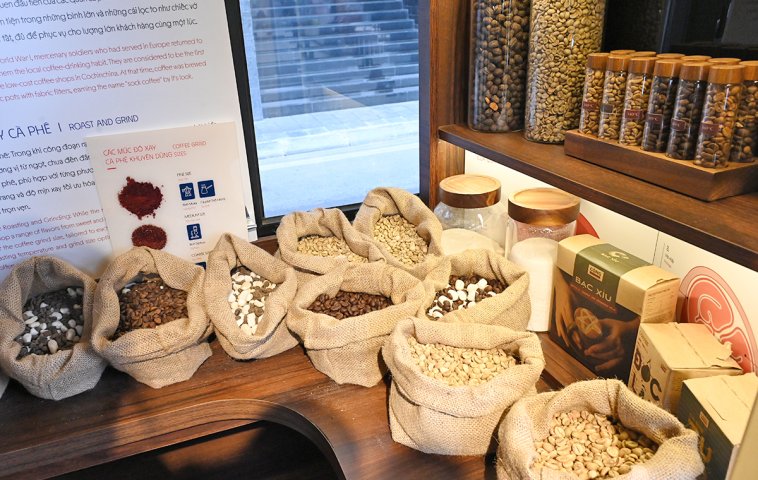
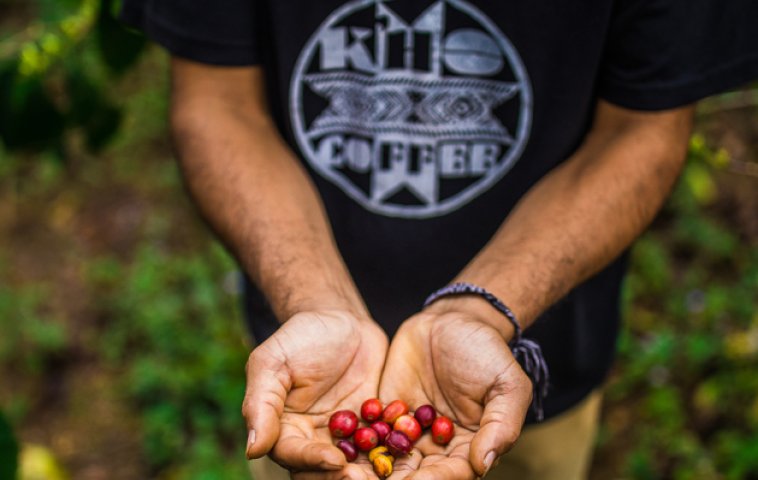
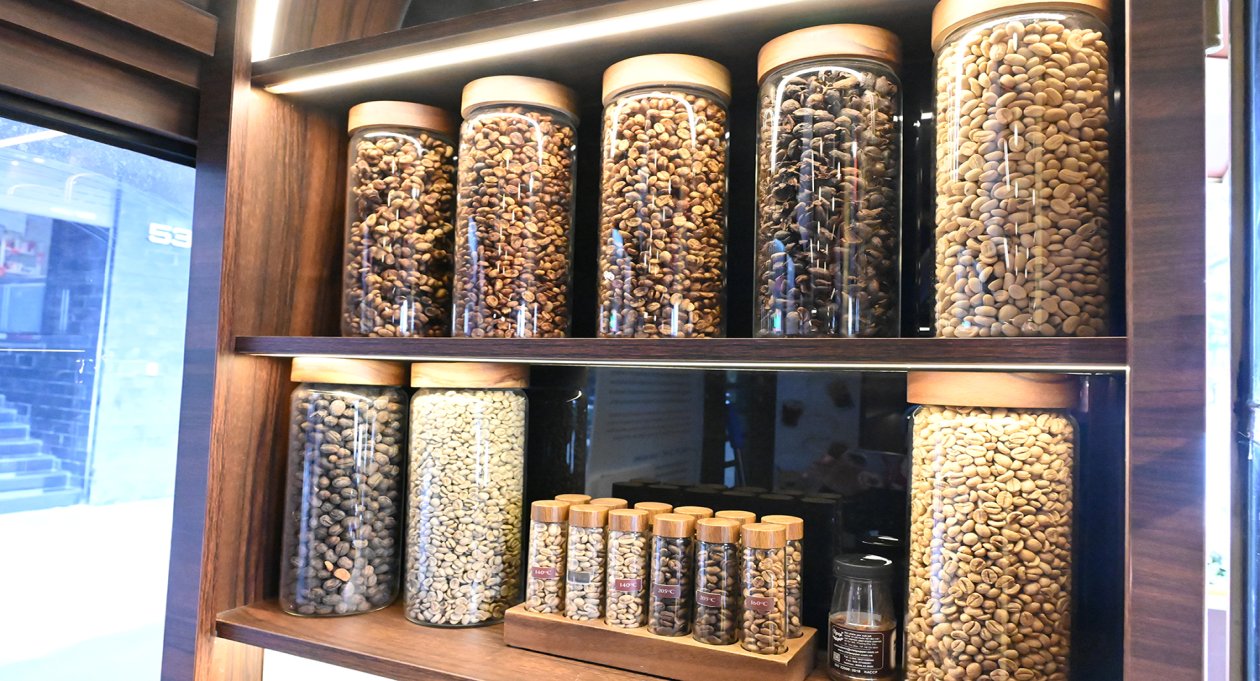
Coffee beans (Photo: TITC)
The architecture of patience: Filtered coffee
The soul of Vietnamese coffee culture sits atop a glass, dripping drop by excruciatingly slow drop. The phin, a simple, small metal filter basket, is a testament to the art of waiting.
Unlike the high-pressure extraction of Italian espresso, the phin relies entirely on gravity and patience. Dark-roasted robusta grounds, often roasted with butter or cocoa for a rich, nutty aroma, are steeped in boiling water. As you watch the thick, dark liquid trickle through the perforated plate, the fast-paced chatter of the street seems to slow down. The resulting brew is intensely bold, chocolatey, and packed with a potent kick of caffeine that wakes up both body and mind.
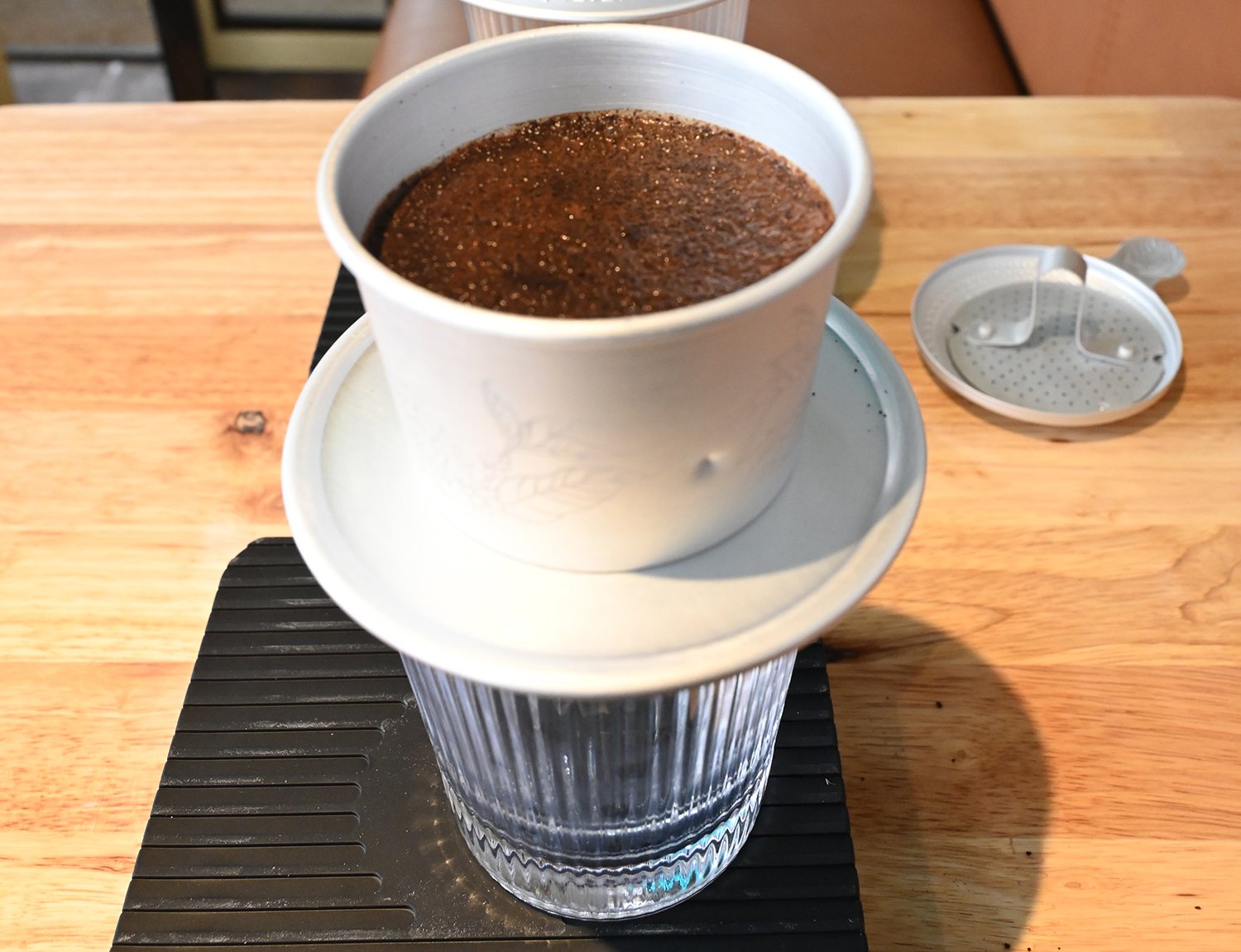
Filtered coffee (Photo: TITC)
The urban lifeline: Iced coffee with condensed milk
If the phin is the engine, cà phê sữa đá (iced coffee with condensed milk) is the fuel that powers Vietnam’s vibrant cities. Born out of historic necessity, fresh milk was scarce and expensive in tropical Indochina, locals turned to shelf-stable sweetened condensed milk.
The combination is pure genius. The ultra-rich, silky sweetness of the condensed milk cuts through the assertive, earthy bitterness of the dark robusta. Pour it over a tall glass packed with crushed ice, give it a vigorous stir with a long spoon, and you have the definitive antidote to a sticky, humid Saigon afternoon. It is bold, uncompromisingly sweet, and utterly addictive.
The capital's liquid silk: Hanoi egg coffee
Travel north to the narrow, labyrinthine alleys of Hanoi’s Old Quarter, and coffee transforms into a luxurious dessert. Born in the late 1940s at the iconic Café Giang during a wartime dairy shortage, legendary bartender Nguyen Van Giang whipped fresh chicken egg yolks with sugar and butter to create a cream substitute.
The result was cà phê trứng. Served in a small bowl of warm water to preserve its temperature, this Hanoi specialty features a thick, velvety custard layer floating atop a concentrated shot of dark coffee. Drinking it requires no rush: you sip the bitter coffee through the warm, sweet egg foam, creating a contrast that tastes remarkably like a velvety tiramisu in liquid form.
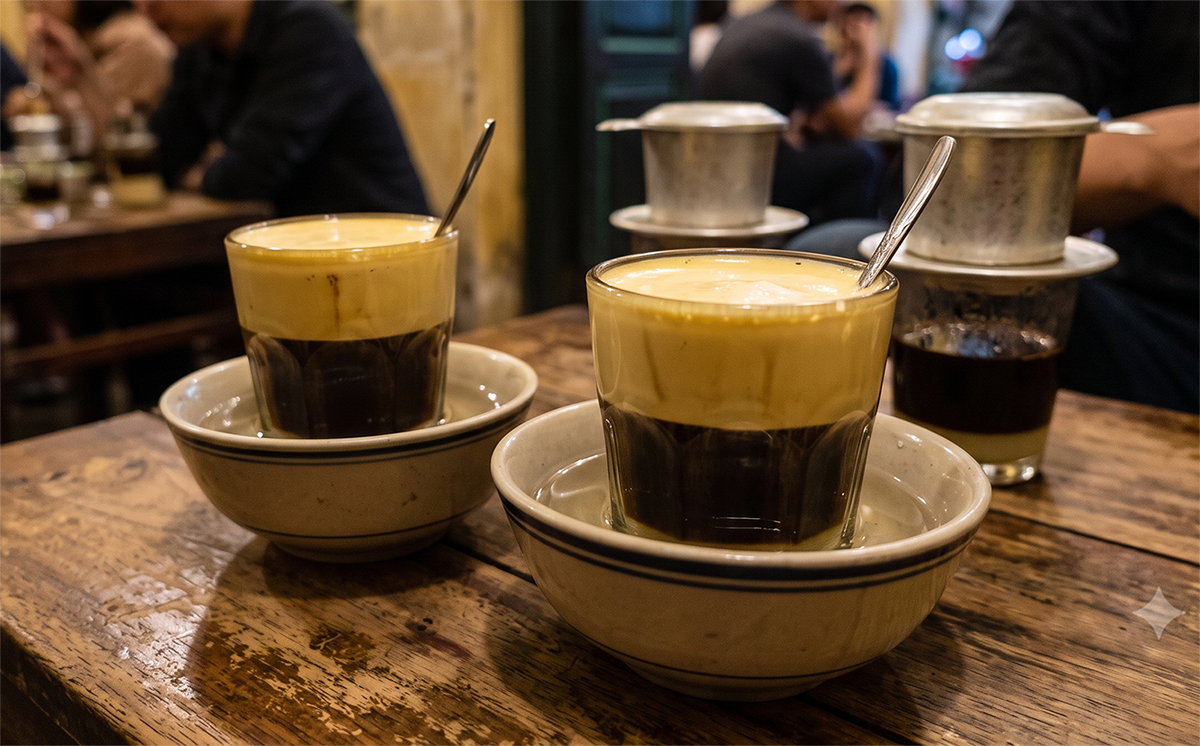
Egg coffee (Photo: AI)
The imperial accent: Hue salt coffee
In the quiet, poetically slow imperial city of Hue, coffee takes an intriguing savoury turn. Cà phê muối combines robusta drip coffee with a layer of salted cream condensed milk.
The addition of salt is a culinary masterstroke. Just as a pinch of salt enhances dark chocolate, the saline note suppresses the natural bitterness of the coffee beans while accentuating their latent caramel sweetness. As the dense, salty cream gradually melts into the dark coffee beneath, each sip offers a complex interplay of salty, sweet, bitter, and creamy flavours that reflect the subtle, refined palate of Central Vietnam.
Life on the curb: Street coffee culture
To drink coffee in Vietnam is to participate in a public theater. From early dawn to late at night, city sidewalks are transformed into sprawling living rooms.
"Cà phê bệt" (sitting on newspaper or low plastic stools by the pavement) is an essential rite of passage. Under the canopy of ancient tamarind trees or alongside roaring motorbike traffic, people from all walks of life gather. Tech entrepreneurs in suits, university students with laptops, and street vendors sharing a joke sit side-by-side on the same two-inch-high stools.
Here, coffee is the social equalizer. It is an invitation to linger, to observe the rhythm of the street, and to engage in casual, endless conversation.
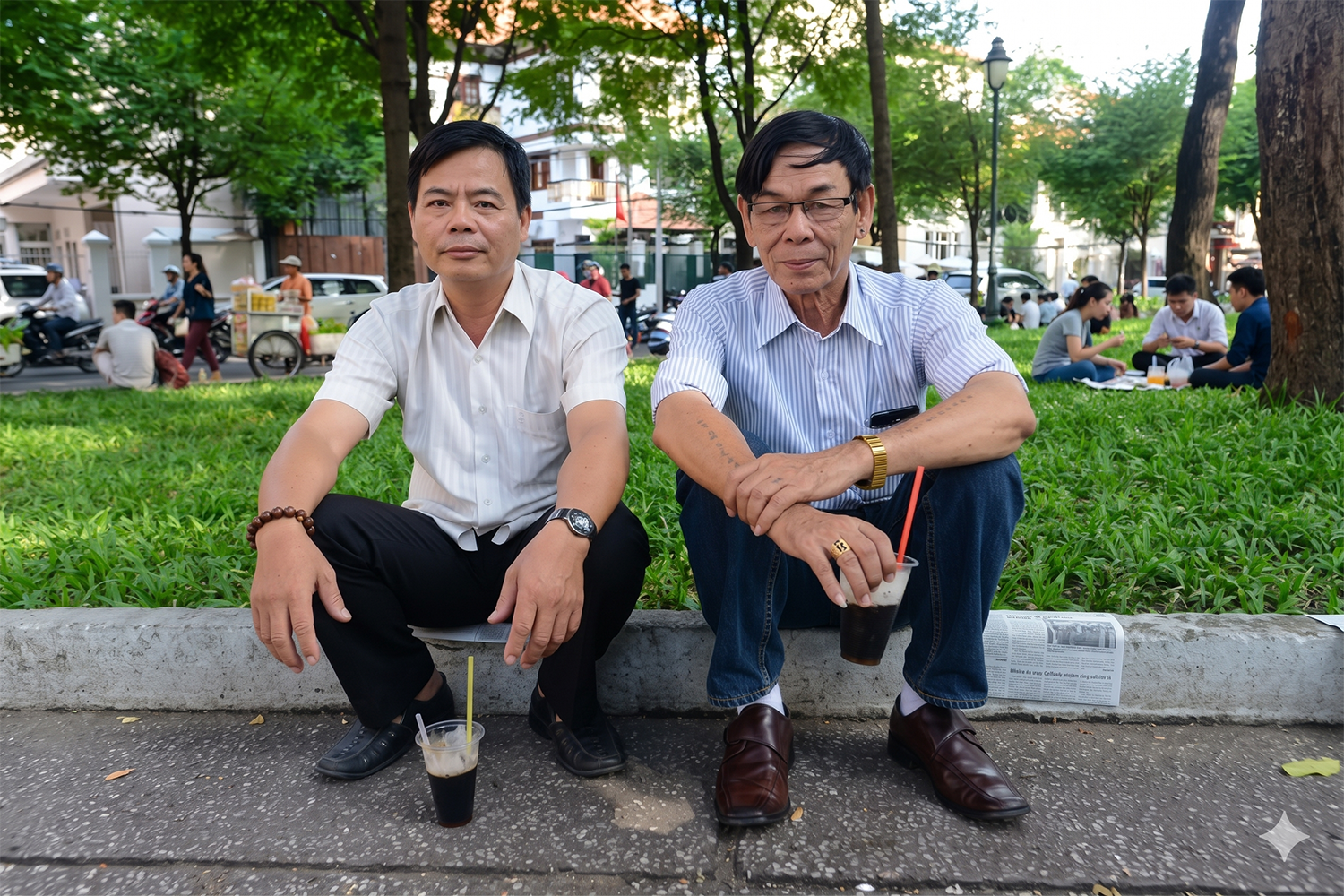
Photo: TITC
From highlands to high streets: The modern bean renaissance
Today, Vietnam's coffee story is writing its next ambitious chapter. As the world's second-largest producer of coffee, the nation is bridging the gap between its rugged highland farms and high-end urban cafes.
A new generation of Vietnamese roasters and baristas is elevating local beans. In stylishly renovated French colonial villas in Da Nang, Saigon, and Hanoi, specialty coffee shops are experimenting with high-grade single-origin robusta and highland arabica, fine-tuning fermentation processes, and showcasing modern brewing methods alongside traditional phin drippers.
From the red soil of Dak Lak to the roadside stools of Hanoi and the sleek specialty bars of Ho Chi Minh City, a cup of coffee in Vietnam is far more than a drink, it is a story of resilience, creativity, and warm, unhurried hospitality.