Sa Pa (Lao Cai): The Golden Terrace season
Nestled at an altitude of 1,600 metres at the foot of the majestic Hoang Lien Son Mountain Range, Sa Pa enjoys a cool climate year-round. From June through August, it serves as the ultimate high-altitude sanctuary in Northern Vietnam, with temperatures hovering comfortably between 20°C and 25°C (68°F-77°F).
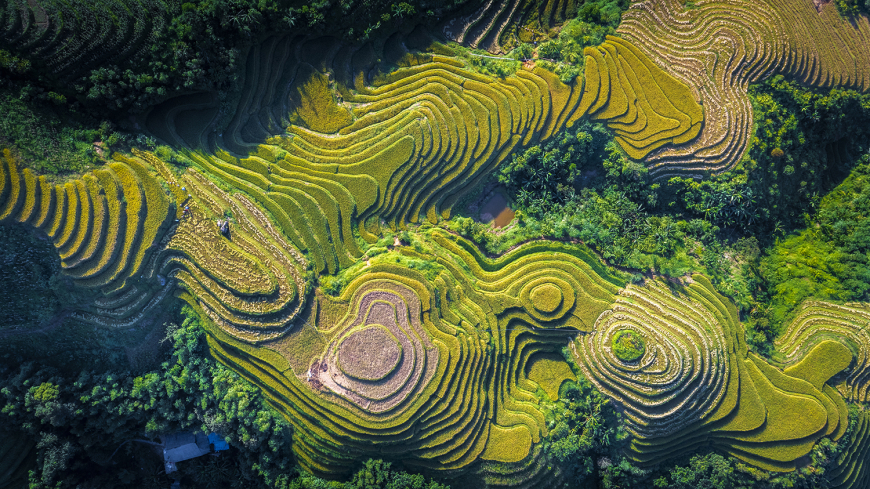
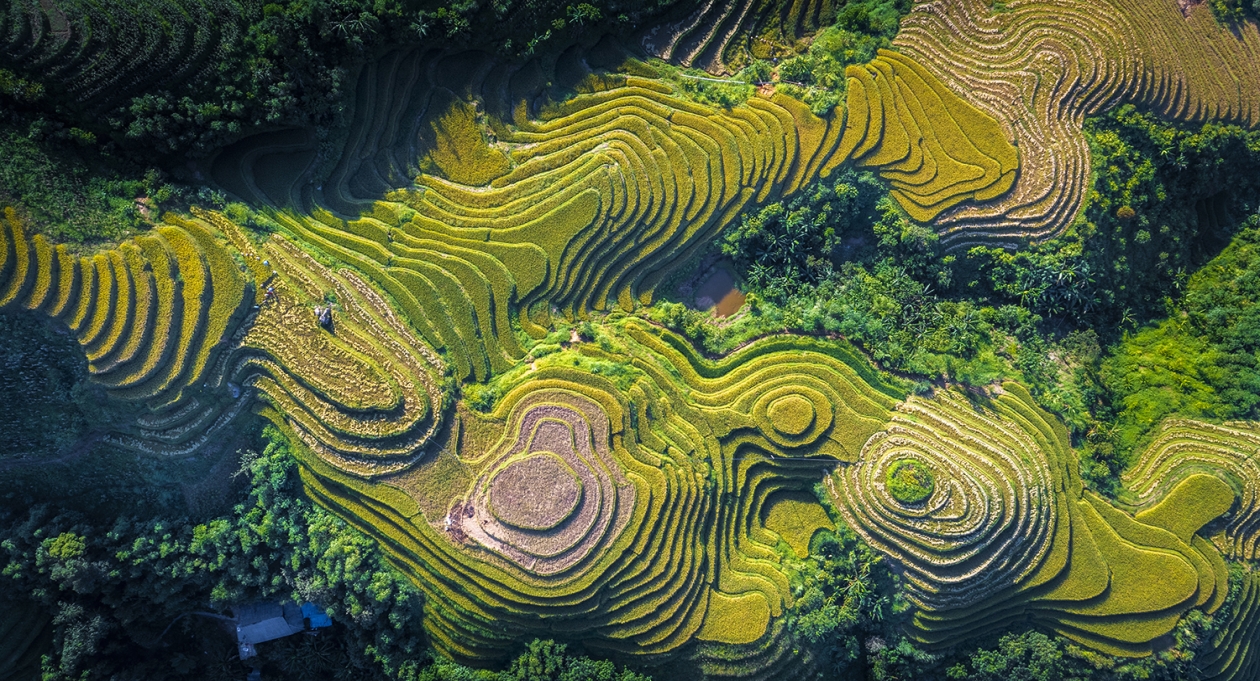
Terraced rice fields in Sa Pa (Photo: Duong Quoc Toan)
Starting in mid-August, travellers flock to Sa Pa to witness its famed terraced rice fields bursting with vivid green hues and to join scenic highland trekking tours.
By renting a scooter or taking a taxi, visitors can journey to Lao Chai and Ta Van, homes to various ethnic minorities including the Black Hmong, Red Dao, and Giay, or explore landmarks namely Cau May (Rattan Bridge), Muong Hoa Stream, Giang Ta Chai Waterfall, and Seo My Ty Lake. Though the 10-kilometre route features narrow, rugged terrain, the journey is rewarded with serene, breathtaking vistas of terraced fields, corn patches, and rolling mountains.
For a deeper glimpse into the life of the Black Hmong community, the Y Linh Ho trekking route is a must-try. Here, the rice paddies ripen earlier, turning golden ahead of other areas as August begins.
Travellers boarding the cable car to Fansipan Peak in early August are also treated to bird’s-eye views of the sweeping Muong Hoa Valley draped in shimmering gold.
Traveller’s Note: If visiting Sa Pa in August, keep an eye on weather forecasts. This period falls during the rainy season, bringing risks of heavy downpours, flash floods, and landslides. Exercise caution during activities near streams and rivers.
Quy Nhon (Gia Lai): Sun-drenched turquoise seas
From May to September, Quy Nhon enjoys ideal coastal weather with minimal rainfall, perfect for sun-seeking travellers and water sports enthusiasts. By planning a visit in August, travelers can bypass the summer peak crowds of June and July while still enjoying crystal-clear turquoise waters.
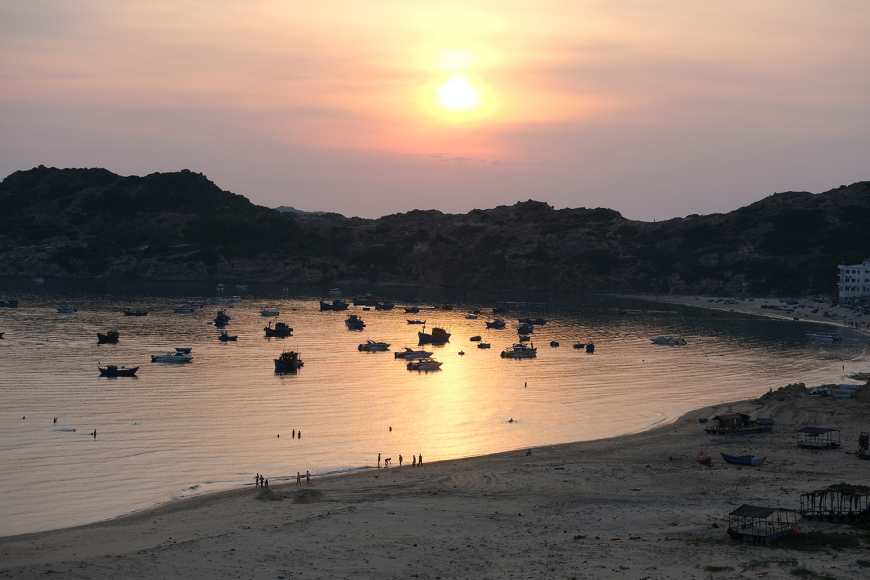
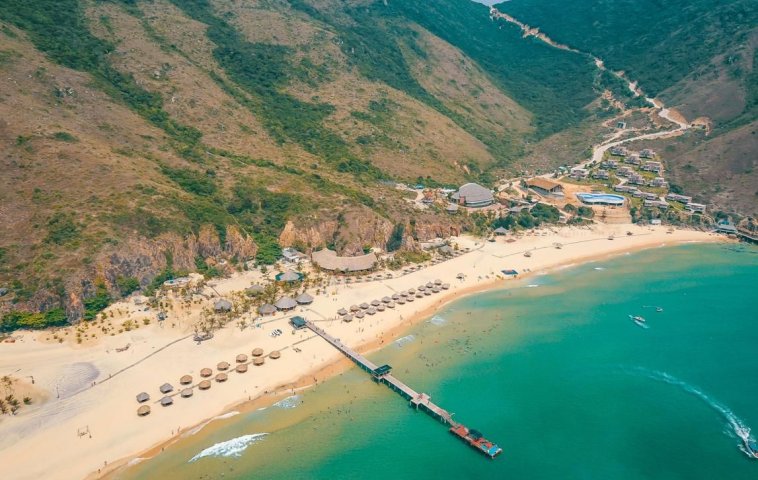
Nhon Ly Fishing Village (Photo: TITC)
Located about 23-27 km from the former center of Quy Nhon city, Ky Co Beach boasts dazzling blue waters. Beyond swimming and snorkeling, visitors can relax in shaded beach huts, try jet-skiing or parasailing, or pitch a tent for a coastal camping trip.
A short distance away lies Eo Gio (Windy Pass), famed for its scenic cliffside walking path that hugs the coastline and offers breathtaking panoramic sea views.
For an authentic taste of local coastal life, head to the fishing villages of Nhon Ly, Nhon Hai, or Trung Luong. Tucked away in Cat Tien, Trung Luong Fishing Village offers a tranquil, unhurried charm. Its gently sloping shoreline, powdery white sand, and shallow, clear waters make it an ideal spot for families with young children. Looking out from the shore, the backdrop of towering wind turbines creates a picture-perfect setting for photography.
Can Tho: The floating fruit orchard harvest
The best time to visit Can Tho is during the summer harvest from May to August, when lush fruit orchards overflow with rambutans, durians, mangosteens, and pomelos.
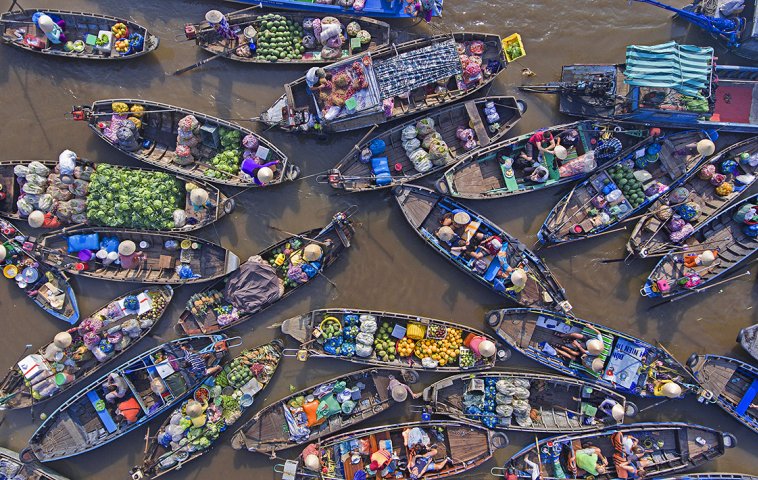
At the top of every traveller's itinerary is the iconic Cai Rang Floating Market. The market comes alive around 5:00 AM, reaching its peak bustle between 6:00 AM and 8:00 AM. Early risers drift along the river aboard wooden boats to catch the sunrise and watch the vibrant floating market awaken.

Cai Rang Floating Market (Photo: Nguyen Tuan Nhut)
A morning visit is incomplete without sampling local breakfast staples served straight from floating kitchens, such as bún riêu (crab noodle soup) or hủ tiếu (noodle soup),.... Small vendor boats also pull alongside to sell fresh coconut water, fruit juices, and iced coffee.
From the floating market, extend your journey to Con Son Islet, a community tourism hotspot offering orchard tours, traditional folk cake-making classes, local "fish circuses", and authentic Southern Vietnamese cuisine. Visitors can step onto fish rafts floating on the river, where locals offer unique interactive experiences like fish "massages" and sightings of rare giant river species.
Another fascinating stop is the Ancient Longan Orchard in Binh Thuy ward, home to over 300 longan trees over 50 years old. What makes this orchard famous is the dramatic, twisted shapes of its ancient trunks. Grown over half a century, the gnarled, moss-covered trees naturally twist and coil from root to canopy, evoking the majestic contours of flying dragons or ancient bonsai art.
The heritage dragon-eye longan variety is named for its natural fissure inside the seed, resembling a dragon's eye. While it has larger seeds and thinner flesh than modern hybrids, this heirloom fruit is prized for its intense sweetness and heady aroma, a few bunches are enough to fill an entire home with its sweet scent.