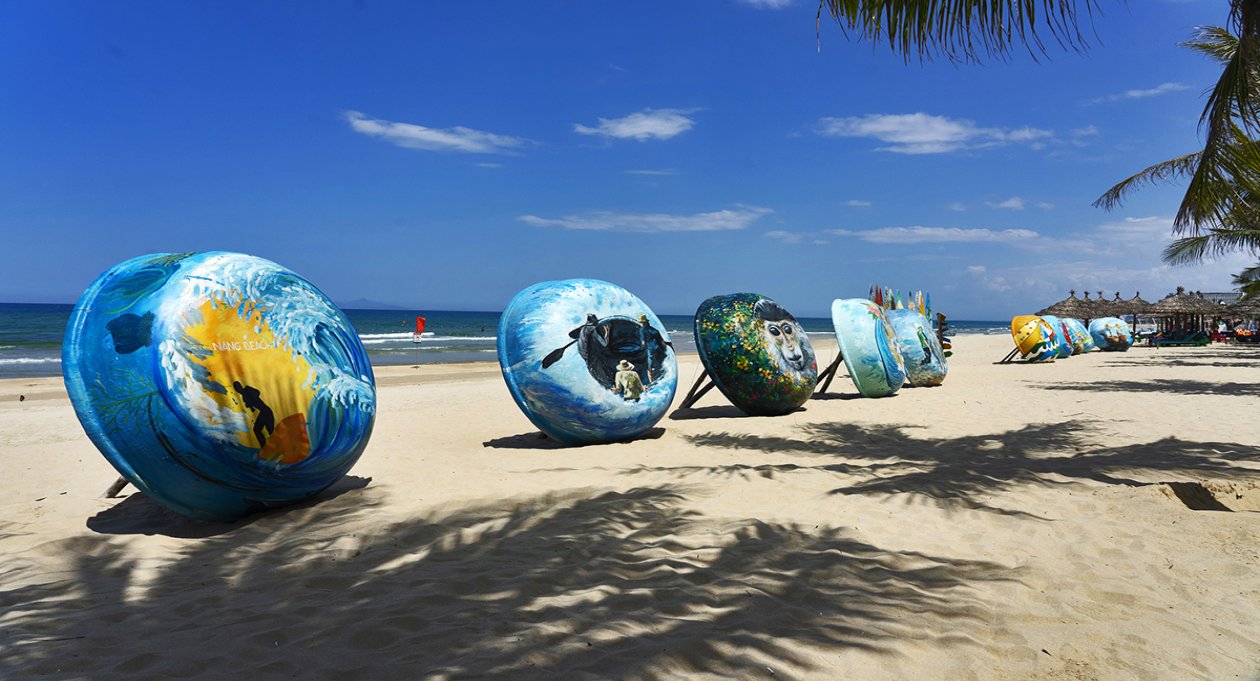
According to Best Places to Travel Between Christmas and New Year’s Eve, published by international travel magazine Lonely Planet, Da Nang (Vietnam) has secured fourth place among the 10 destinations recommended for the festive holiday period.
The city stands out for its appealing combination of coastal scenery, mountain landscapes, a relaxed atmosphere, rich culinary traditions and easy access to some of Central Vietnam’s most celebrated heritage attractions.
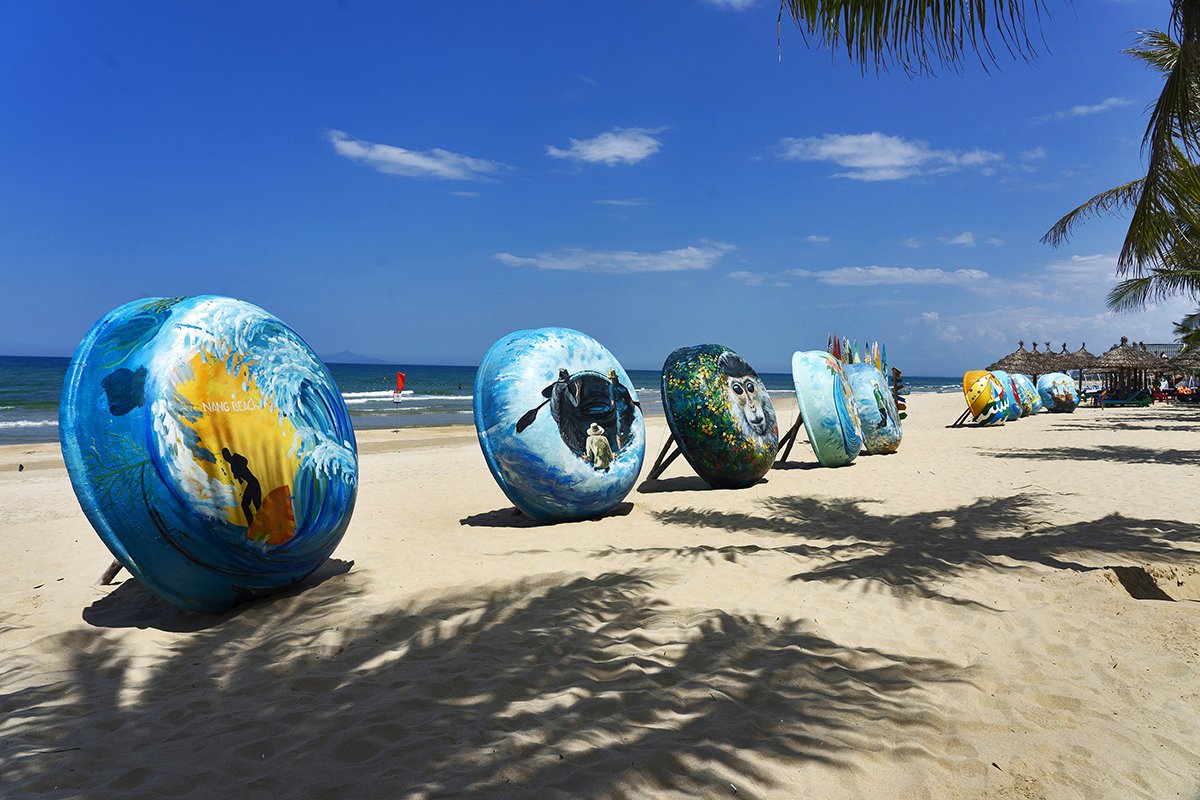
My Khe Beach (Photo: Tran Thi Thanh Hang)
Chapter 01 —
A coastal city where nature, culture and modern life meet
Situated along Vietnam’s central coastline, Da Nang is a vibrant seaside destination blessed with a diverse natural landscape, stretching from pristine beaches and lush mountains to picturesque peninsulas and riverside urban scenery.
Often regarded as the gateway to Central Vietnam’s heritage corridor, the city offers visitors an appealing blend of beach relaxation, cultural exploration and contemporary urban experiences.
Lonely Planet describes Da Nang as an ideal destination for a relaxing beach getaway, thanks to its nearly 10-kilometre stretch of urban coastline, with My Khe Beach among its highlights.
Renowned for its soft sandy shores and inviting waters, My Khe provides an ideal setting for swimming, sunbathing and enjoying a range of seaside activities. The beachfront is also lined with cafés, restaurants and leisure facilities, creating a welcoming atmosphere for both domestic and international visitors.
Beyond its beaches, Da Nang offers a wealth of natural and cultural attractions. The Son Tra Peninsula, often referred to as the city's green lung, is home to rich biodiversity, scenic coastal roads and panoramic viewpoints overlooking the East Sea.
Visitors can explore Linh Ung Pagoda, where a 67-metre-tall Lady Buddha statue stands facing the sea, offering a striking landmark against the peninsula's mountainous backdrop.
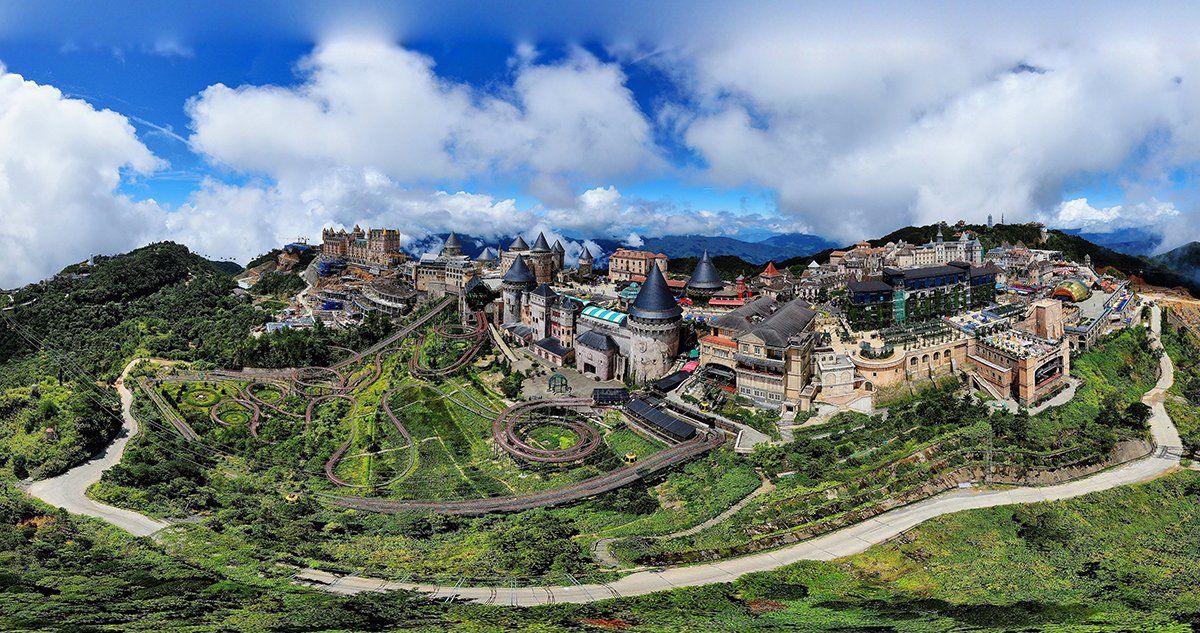
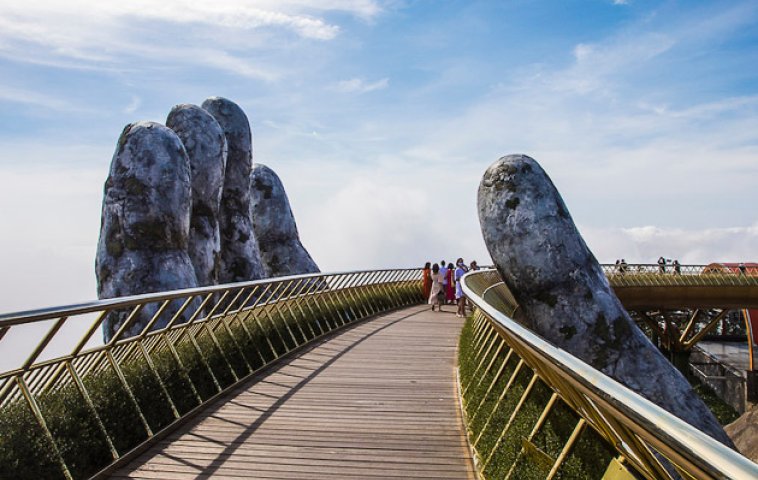
Ba Na Hills (Photo: Nguyen Xuan Tu)
Another major attraction is Sun World Ba Na Hills, a mountain-top tourism and entertainment complex known for its European-inspired architecture, spectacular mountain scenery and the iconic Golden Bridge, held aloft by two giant stone hands. The destination offers visitors a distinctive experience, combining sightseeing, entertainment and cool mountain weather.
Da Nang's strategic location also makes it an ideal base for exploring three UNESCO World Heritage sites in Central Vietnam: the Imperial Citadel of Hue, the Ancient Town of Hoi An and the My Son Sanctuary. These heritage destinations provide opportunities to discover the region's rich history, architecture and cultural traditions.
Chapter 02 —
A culinary journey through the flavours of Central Vietnam
Food is an essential part of the Da Nang experience, with the city's culinary identity deeply rooted in the flavours and traditions of Central Vietnam. From humble street-food stalls to beachfront seafood restaurants, Da Nang offers a diverse gastronomic scene that appeals to a wide range of tastes and budgets.
Among its signature dishes, mi Quang (Quang-style noodles) is a must-try speciality. These regional favourite features turmeric-infused rice noodles served with a small amount of rich, flavourful broth, typically accompanied by shrimp, pork, quail eggs, fresh herbs, roasted peanuts and crispy rice crackers. Each bowl brings together distinctive textures and flavours that reflect the culinary heritage of Quang Nam and Da Nang.
Another local favourite is banh trang cuon thit heo (pork slices wrapped in rice paper), a simple yet flavourful dish featuring thinly sliced pork, fresh herbs and vegetables wrapped in soft rice paper or thin rice sheets, then dipped in a distinctive fermented anchovy sauce known as mam nem.
Visitors should also sample banh xeo (Vietnamese sizzling pancakes), traditionally filled with shrimp, pork and bean sprouts, and served with fresh vegetables and dipping sauce.
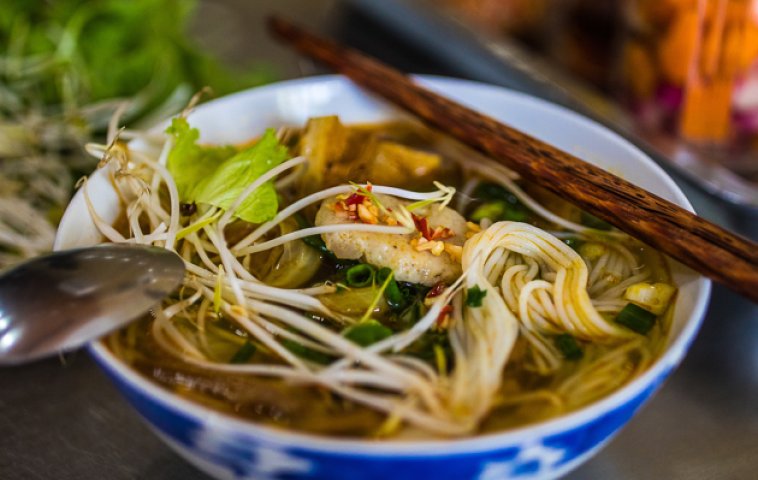
Meanwhile, bun cha ca (fish cake noodle soup) offers another taste of the city's coastal culinary traditions, featuring rice vermicelli in a savoury broth with fish cakes and fresh herbs.
Given its coastal location, Da Nang is also renowned for its fresh seafood. Restaurants along the coastline serve a wide selection of freshly prepared fish, shrimp, squid, clams and other seafood, often cooked to order. For those seeking a more distinctive local experience, goi ca Nam O (Nam O-style raw fish salad) is a traditional speciality worth discovering.
Together, these dishes offer visitors an authentic taste of Central Vietnam, making culinary exploration an integral part of any trip to Da Nang.
Chapter 03 —
A welcoming destination for the year-end holiday season
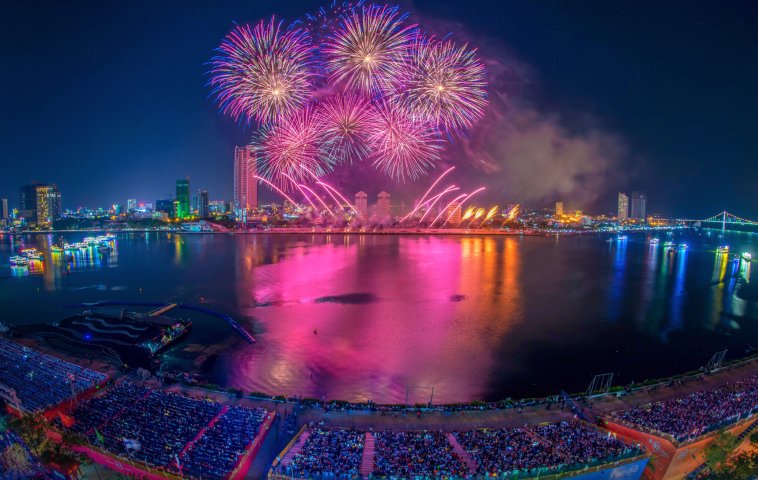
Accommodation options in Da Nang are equally diverse, ranging from modern high-rise hotels overlooking the Han River to luxury beachfront resorts nestled along the Son Tra Peninsula.
The city's well-developed tourism infrastructure, convenient transport connections and wide range of leisure experiences make it an appealing choice for different types of travellers.
Da Nang's inclusion in Lonely Planet's Top 10 destinations for the Christmas-to-New Year period further underscores its appeal on the international tourism map.
With its beautiful beaches, spectacular natural landscapes, cultural heritage, distinctive cuisine and welcoming atmosphere, the city offers a compelling destination for international travellers seeking a memorable year-end holiday in Vietnam.
From relaxing by the sea and exploring iconic landmarks to discovering the rich flavours of Central Vietnamese cuisine, Da Nang promises a rewarding holiday experience where natural beauty, cultural identity and modern hospitality come together.