



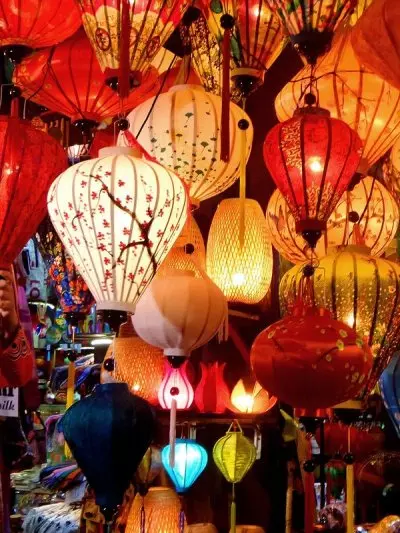
 Ho Chi Minh City

Since the Covid-19 pandemic, experience-led travel has risen sharply. The once-popular pursuit of ticking off famous landmarks is giving way to more meaningful journeys, those that allow visitors to genuinely connect with local people, culture and landscapes.
After analysing more than 25 international reports on tourism and travel, CNBC has identified five major trends set to shape the global tourism industry in 2026.

1. “Anti-tourism” Travel: Escaping the Crowds, Discovering Authenticity
One of the clearest shifts in travel behaviour is the rise of so-called anti-tourism, avoiding peak seasons and overcrowded hotspots in favour of quieter, more authentic destinations.
According to Agoda, searches for accommodation in secondary destinations across Asia are growing more than 15% faster than those for traditional tourist hubs.
Virtuoso, the global network of luxury travel advisors, reports that climate change is also influencing travel decisions. More travellers are choosing off-season trips and prioritising destinations with milder, more stable climates.
Sustainability is another growing concern. Travellers are increasingly mindful of reducing pressure on local communities and preserving the authenticity of the places they visit.

From the breathtaking terraced fields of Vietnam’s north-western mountains, where visitors encounter untouched landscapes and the rich cultures of ethnic minority communities to the tranquil islands of Nam Du in the south, travellers are seeking peace, space and genuine connection away from the urban rush.
2. The Rise of the “No-Think” Holiday: Letting Go of Worries
In the past, all-inclusive holidays were prized mainly for efficiency. Travellers carefully planned every detail to make the most of limited time.
Today, however, many feel overwhelmed even before their trip begins. According to Lemongrass Marketing, travellers are increasingly happy to hand over full control of their itinerary to tour operators or hotels, as long as it guarantees true relaxation.
“Travellers want someone they trust to make the right choices for them, so they can genuinely switch off,” says Tara Schwenk, Chief Digital Strategist at Lemongrass Marketing.

In the ancient town of Hoi An, for example, visitors can slow down and step back in time, soaking up the town’s quiet charm, cultural depth and warm hospitality.
3. Wellness Travel Beyond the Spa
Wellness tourism is moving far beyond traditional spa retreats. Today’s travellers are looking for deeper, more holistic programmes that nurture both body and mind, from science-based wellbeing therapies to journeys focused on mental resilience and physical vitality.
Activities range from yoga, meditation and therapeutic treatments to surfing, cycling and hiking in nature-rich settings. A Contiki report shows that two-thirds of American travellers under 35 prioritise active holidays, while more than half aim to maintain their fitness routines even while abroad.
Virtuoso also notes that many travellers now view wellness travel as a long-term investment in their health. These experiences span every budget level, from affordable nature escapes to high-end wellness retreats and appeal to solo travellers, couples, young adults and retirees alike.

With its cool climate and gentle natural surroundings, Da Lat has become an ideal destination for yoga retreats, meditation sessions, walking and cycling, offering a perfect balance of relaxation and rejuvenation.
4. Nostalgia Travel: Returning to the Past, Reimagining the Future
Nostalgia is becoming a powerful travel motivator, especially among younger generations. Many want to recreate childhood holidays or reconnect with family and friends through shared experiences. According to Contiki, nearly 80% of Americans under 35 have already revisited or plan to revisit, destinations from their early years.
Meanwhile, The Future Laboratory’s Future Forecast 2026 highlights another emerging group: newly retired travellers, including the oldest members of Generation X. Freed from work commitments and with children grown, they are embracing longer, more adventurous journeys, from extended road trips to sea voyages, far beyond the scope of traditional retirement travel.

In the former imperial capital of Hue, solemn palaces and ancient tombs stand as quiet witnesses to Vietnam’s royal past, offering travellers a profound sense of history and cultural depth.
5. Artificial Intelligence Enters the Hospitality Industry
According to Oracle Hospitality, 2026 will mark a turning point for hotels worldwide. Rather than simply responding to guest requests, hotels will increasingly anticipate them, using data and artificial intelligence to personalise each stay even before guests arrive.
Amadeus reports that many hotels are already tailoring everything from lighting and curtains to fitness equipment and room location preferences. “As AI becomes more widespread, personalisation is no longer a ‘nice to have’, it is becoming a fundamental part of hotel operations,” Amadeus emphasises.
The Future of Travel: Deeper Experiences, Meaningful Connections
The future of tourism lies in experience and personalisation. Travellers will seek emotional depth, physical wellbeing and mental fulfilment. The balance between self-improvement and respect for local identity will be crucial in shaping a tourism industry that is not only successful, but also sustainable and humane.
For destinations like Vietnam, this presents a powerful opportunity: to welcome the world not just with beautiful landscapes, but with authentic stories, living cultures and experiences that truly stay with travellers long after they return home.