Among the most iconic is Ha Long Bay, where more than 2,000 limestone islands rise from calm, emerald waters. A UNESCO-listed site, the bay is best experienced on an overnight cruise, allowing visitors to kayak through grottoes, explore hidden lagoons and witness the landscape at dawn.
Further south, Phong Nha-Ke Bang National Park offers a contrasting terrain of dense rainforest and underground rivers, home to some of the world’s most extensive cave systems. Within the park lies Son Doong Cave, widely regarded as the largest cave on Earth, accessible only through tightly controlled expeditions that involve multi-day trekking and camping.
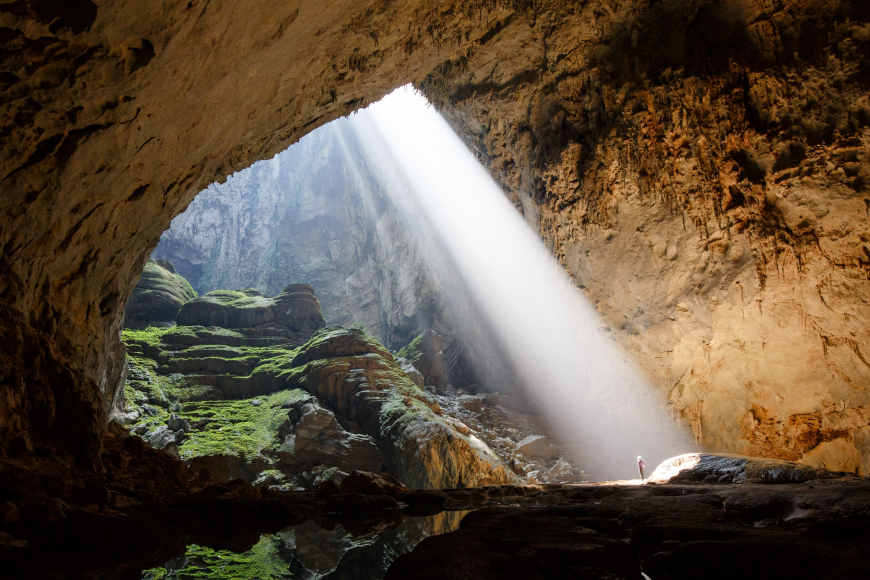
Son Doong Cave - the world’s largest cave
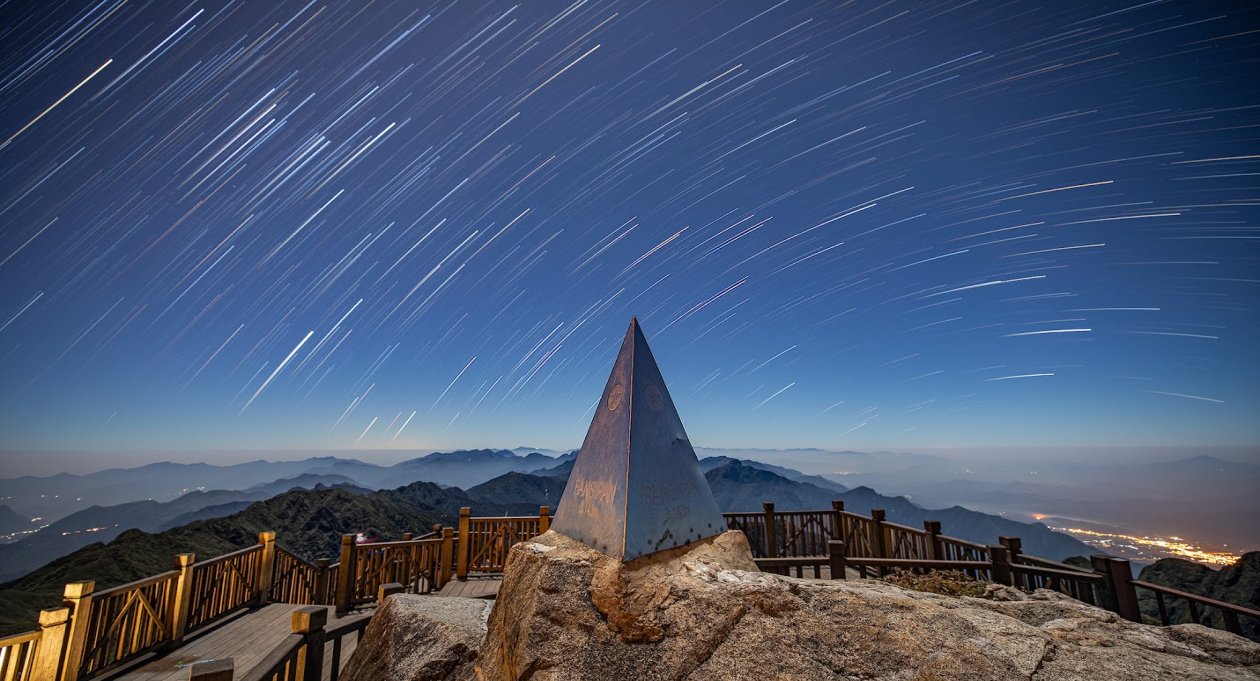
In northern Vietnam, the rugged peaks of the Hoang Lien Mountains, form a dramatic backdrop to cascading rice terraces and ethnic minority villages. The range includes Fansipan, the country’s highest summit, drawing trekkers in search of expansive mountain views.
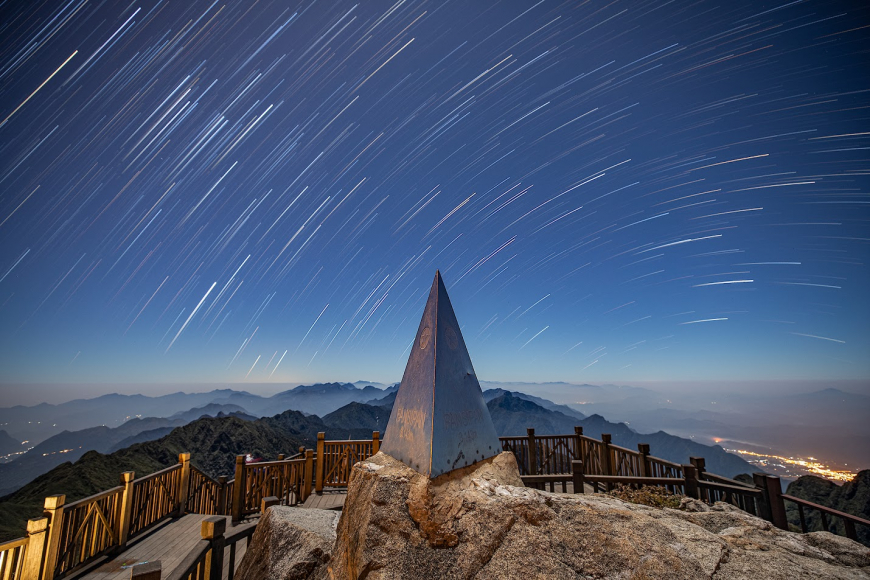
Fansipan Peak
Coastal and island landscapes also feature prominently. Phu Quoc stands out for its white-sand beaches and protected national park, offering a blend of relaxation and wildlife-rich exploration. Meanwhile, the Mui Ne Sand Dunes present an unexpected, wind-sculpted terrain more reminiscent of a desert, where activities such as sandboarding and hot-air balloon rides provide a different perspective on Vietnam’s geography.
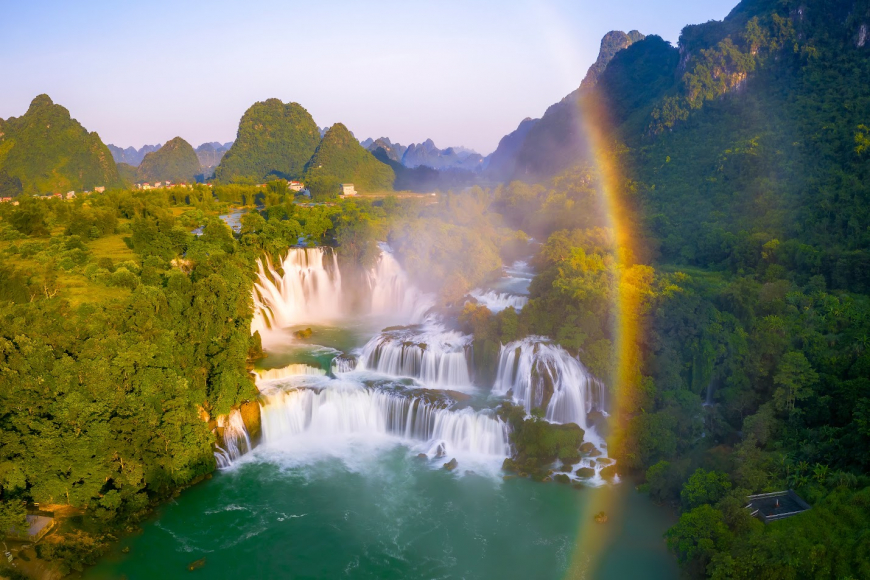
Ban Gioc Waterfall in Cao Bang
Elsewhere, inland attractions continue to diversify the country’s natural offering. Ban Gioc Waterfall, located along the border with China, ranks among Vietnam’s most impressive cascades, while Ba Be National Park offers quieter immersion in forested landscapes, lakes and biodiversity-rich ecosystems.
Together, these destinations illustrate the breadth of Vietnam’s natural heritage, reinforcing its position as one of Southeast Asia’s most geographically diverse travel destinations.