
 Ho Chi Minh City
As the spotlight turns to this majestic land for the Visit Vietnam Year - Gia Lai 2026, there has never been a better time to swap the standard itinerary for a journey into the wild.
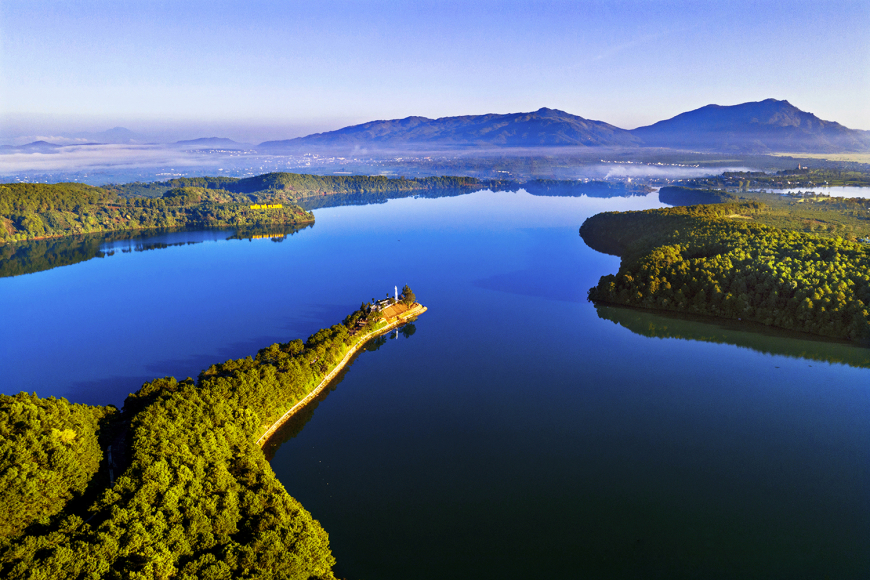
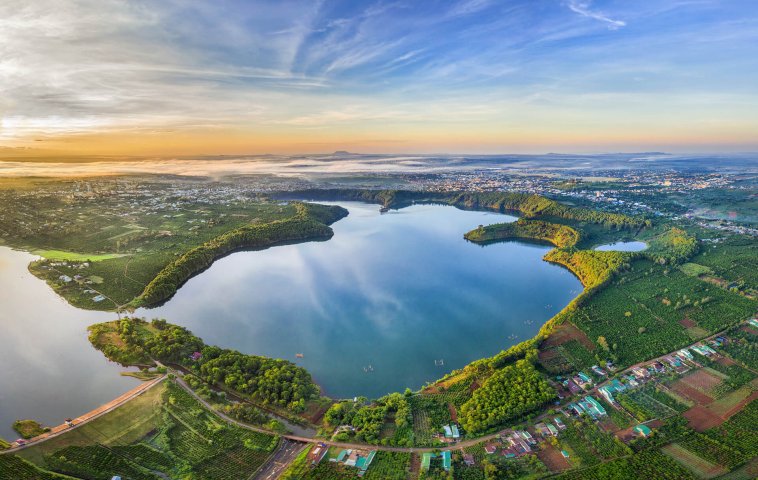
T'Nung Lake
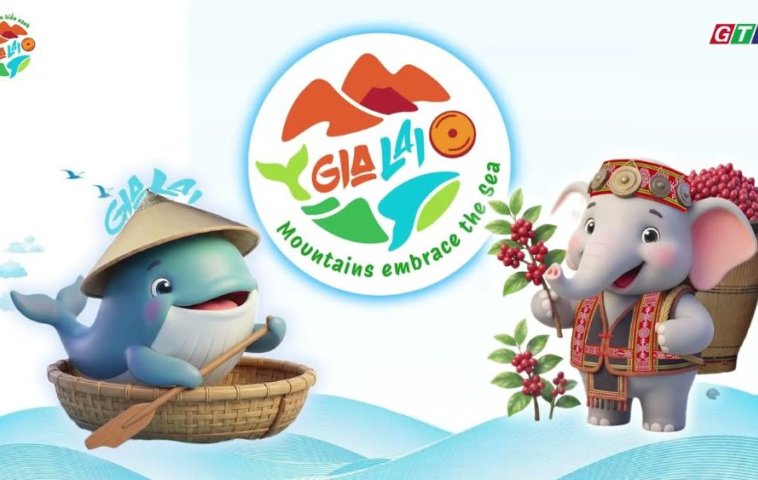
"Mountains Embrace the Sea": A new tourism frontier
The official theme for the 244 cultural, sporting, and eco-tourism events slated throughout 2026 is a poetic masterstroke: "Gia Lai: Mountains embrace the Sea".
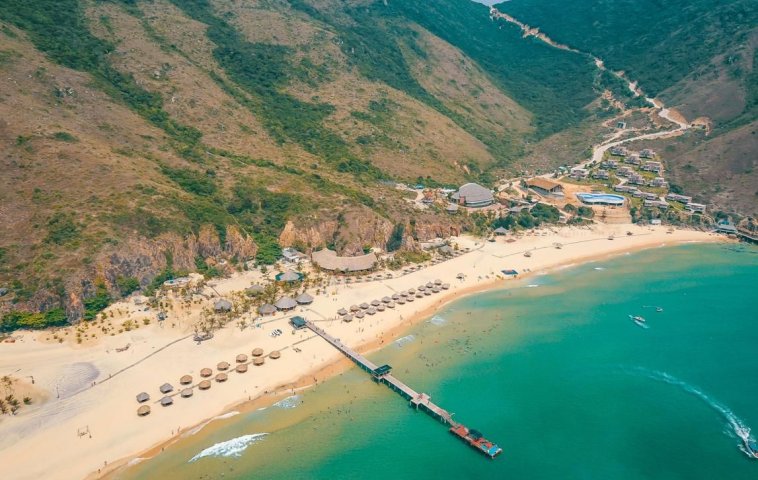
Historically known for its soaring, red-soil plateaus, Gia Lai is championing a seamless travel corridor linking the pristine coastal paradise of Quy Nhon with the mountainous, volcanic landscapes of Pleiku. Visitors can literally wake up to the sound of breaking ocean waves and, within a few hours of a scenic drive up the pass, find themselves enveloped by cool pine forests and cascading mountain waterfalls.
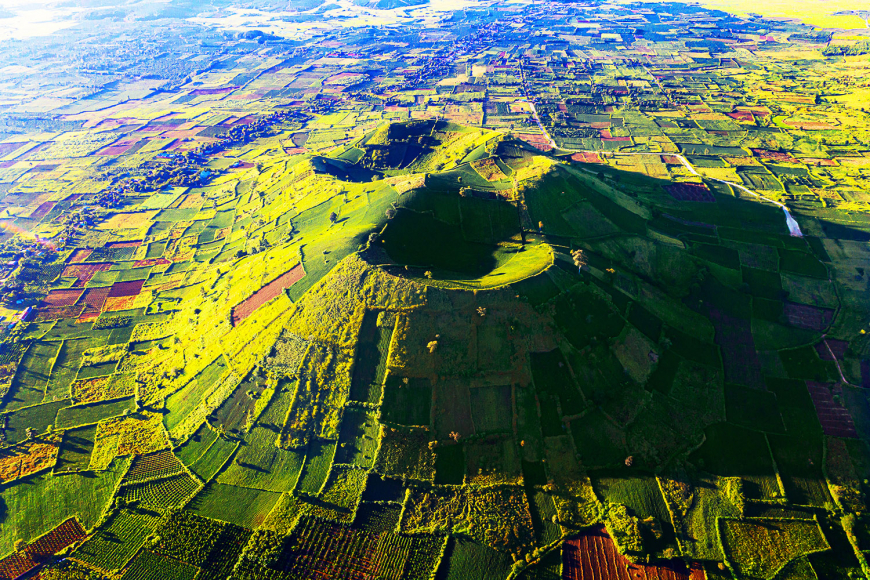
Chu Dang Ya Volcano
Nature carved by ancient fires
Gia Lai's landscape is defined by its geological history. Millions of years ago, this plateau was a hotbed of volcanic activity, leaving behind incredibly fertile soil and unique topography.
- Chu Dang Ya Volcano: A magnificent, long-extinct crater. Depending on when you visit, its slopes are either blanketed in patchworks of local crops or erupting into a vibrant sea of golden wild sunflowers during the winter months.
- Bien Ho (T'Nung Lake): Often called "The Eyes of Pleiku", this giant, crystal-clear body of water rests in the mouth of another prehistoric volcano. It acts as a serene, emerald mirror reflecting the surrounding pine forests and blue highland skies.
The echoes of ancient identity
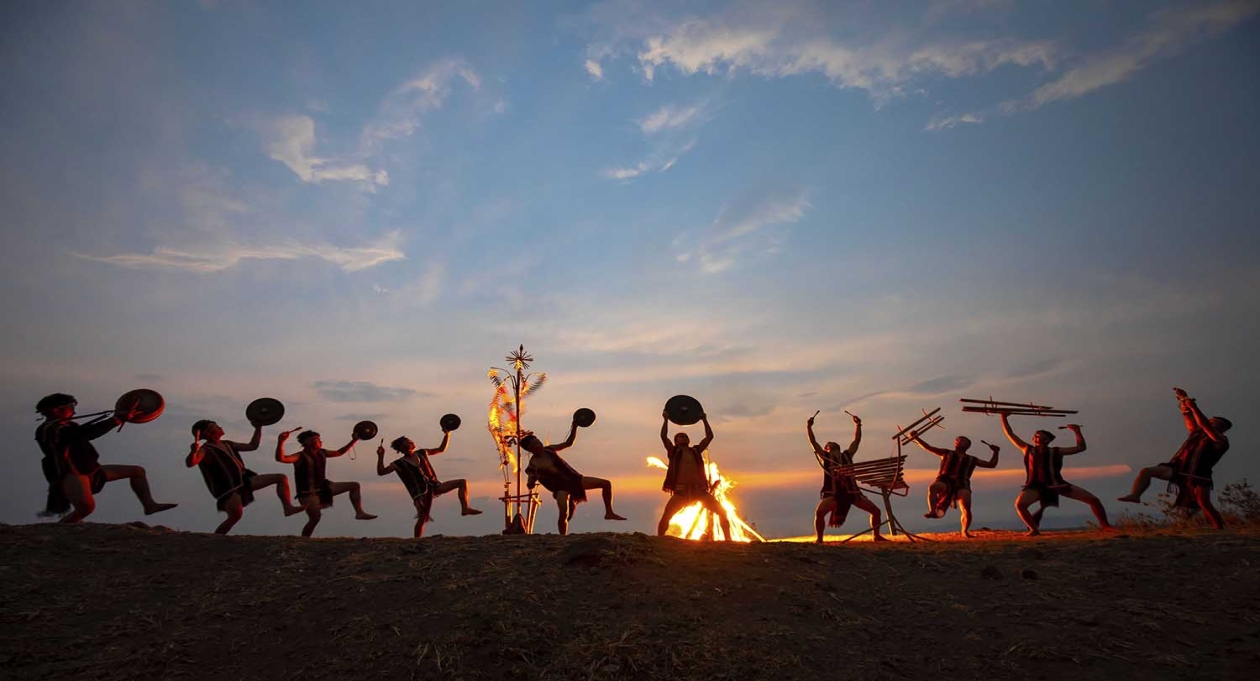
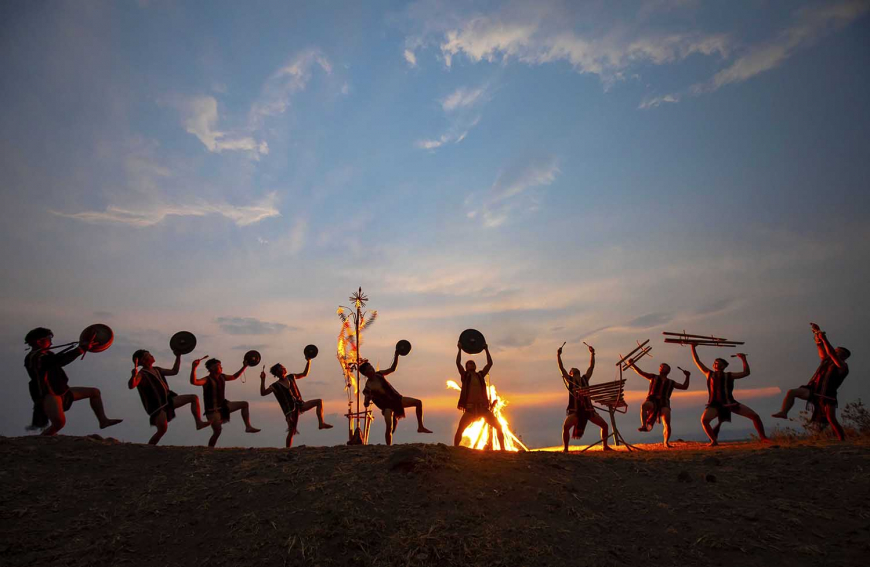
Beyond the dramatic terrain, what truly gives Gia Lai its soul is its living heritage. The province is home to the Bahnar and Jrai ethnic groups, who have guarded their deep-rooted traditions for centuries. The soundtrack to your journey here will undoubtedly be the deep, resonant ring of the gongs. The Space of Gong Culture in the Central Highlands is recognised by UNESCO as a Masterpiece of the Oral and Intangible Heritage of Humanity. These are not staged performances for tourists; they are sacred rituals played around fires outside majestic Rông houses (communal stilt houses with towering, axe-blade roofs) to celebrate harvests, weddings, and communal bonds.
A taste of the Highlands
A trip to Gia Lai is incomplete without indulging in its robust, rustic culinary scene. The volcanic soil yields some of the world's finest robusta coffee, best enjoyed thick and dripping slowly from a traditional metal filter (phin).
When hunger strikes, local specialities reflect the resourcefulness of mountain life:
- Two-bowl Pho: Unlike the traditional northern noodle soup, here you are served one bowl of perfectly chewy, seasoned dry rice noodles topped with minced pork, and a separate bowl of rich, aromatic broth with tender beef.
- Fermented crab noodles: A pungent, love-it-or-hate-it local delicacy made from fermented field crabs that delivers an unforgettable explosion of umami flavor.
- Sun-dried beef with weaver ant salt: Strips of chewy, smoky beef dipped in a tangy, slightly sour salt made from actual jungle ants.
Best time to visit
November to March (Dry season, comfortable temperatures, coffee blossoms in bloom, and peak festival season).
How to get there
Fly directly into Pleiku Airport from Ha Noi or Ho Chi Minh City, or take the scenic coastal highway from Quy Nhon.
Key events in 2026
International Gong Festival, Chu Dang Ya Hot Air Balloon Festival, and the Mountain-to-Sea International Marathon.