
-
Sa Pa named among the world’s most beautiful small towns
The mountain town of Sa Pa has been recognized as one of the most beautiful small towns in the world by Condé Nast Traveller, highlighting Vietnam’s growing appeal among global travelers seeking scenic, off-the-beaten-path destinations.
According to Condé Nast Traveller, Sa Pa stands out for its dramatic natural setting in Vietnam’s northern highlands, far removed from the country’s bustling cities and beach resorts. Perched at over 1,500 metres above sea level, the town is known for its cool climate, mist-covered mountains and sweeping rice terraces that change colour with the seasons.

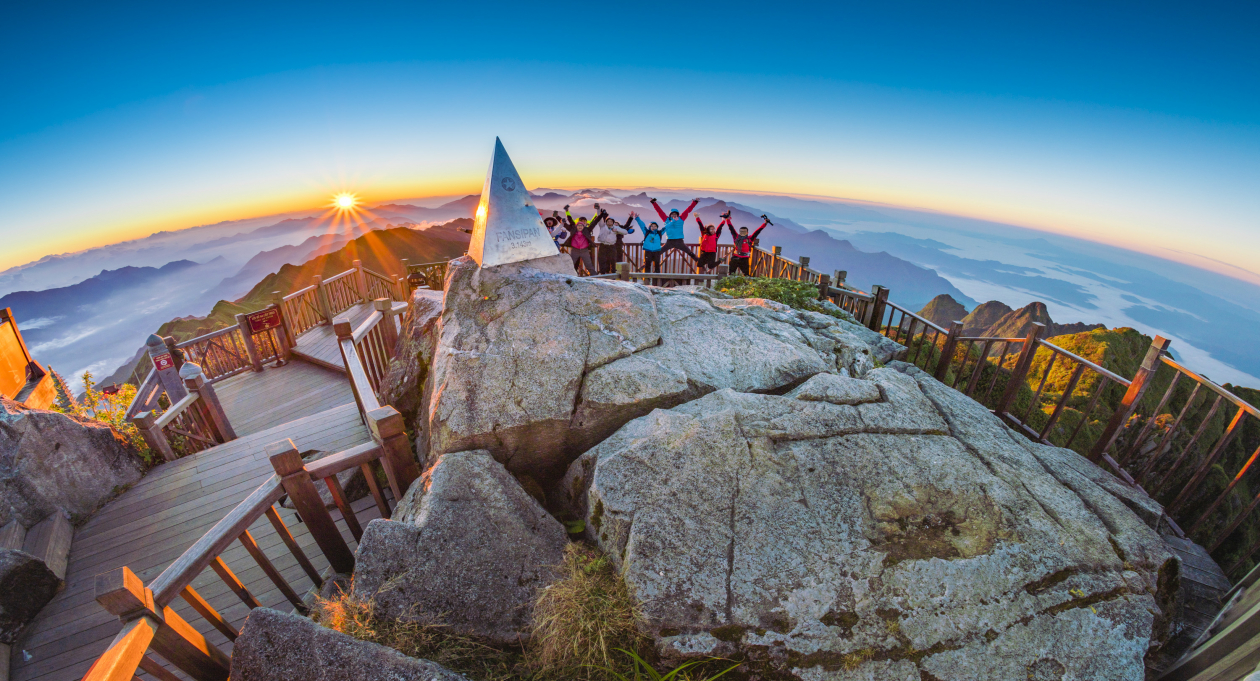
Fansipan
Often described as “postcard-perfect,” Sa Pa offers a landscape of deep valleys, cascading rice fields and winding trekking routes that attract adventure travelers and photographers alike. The surrounding region is dotted with waterfalls and hiking trails, while panoramic views of Fansipan - the highest peak in Indochina, add to its visual appeal.
Beyond its scenery, Sa Pa’s cultural richness is a defining feature. The area is home to diverse ethnic minority communities, including H’Mong, Dao and Tay groups, whose traditional villages, markets and crafts offer visitors a deeper cultural experience. Trekking through villages such as Muong Hoa Valley or staying in local homestays allows travelers to engage with daily life in the highlands.

Cherry blossom hills in Sa Pa
The town itself retains traces of its colonial past, with landmarks like the stone church and French-era architecture blending with modern tourism infrastructure. Despite increasing popularity, Sa Pa continues to be valued for its relatively tranquil atmosphere compared to Vietnam’s major urban centers.
International rankings emphasize that small towns like Sa Pa offer a different perspective on travel, prioritizing authenticity, nature and cultural immersion over large-scale attractions. With its combination of striking landscapes and living traditions, Sa Pa exemplifies why lesser-known destinations are becoming a key trend in global tourism.

