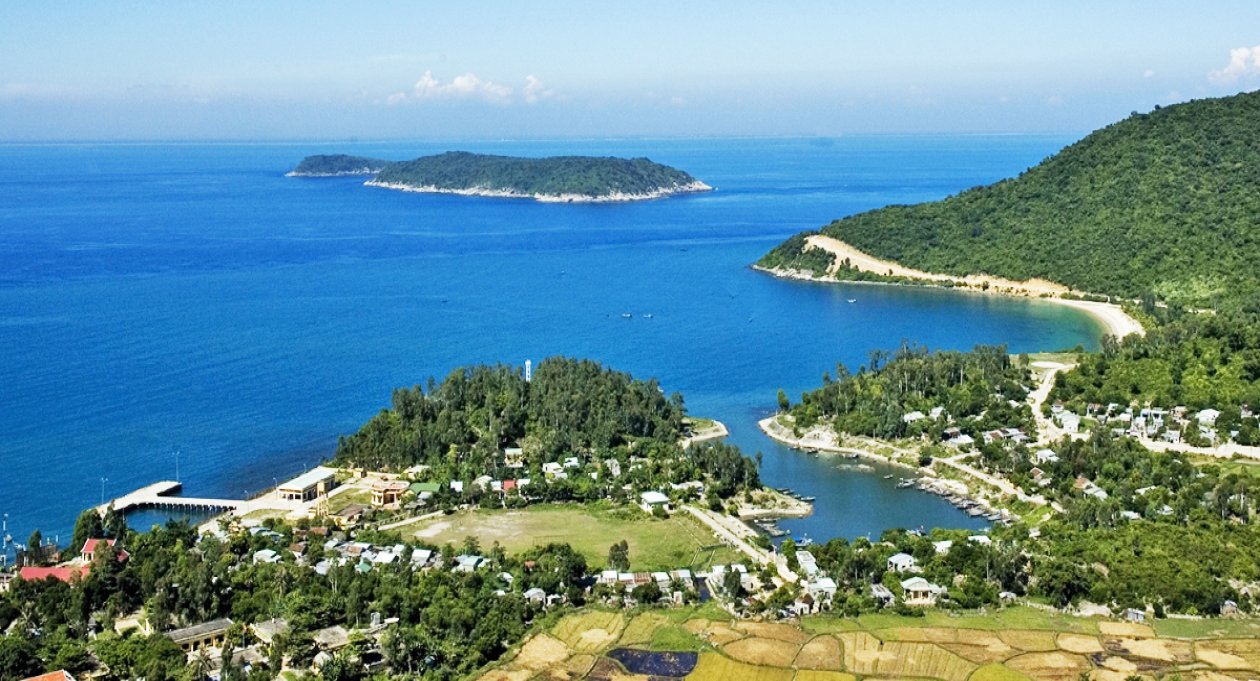
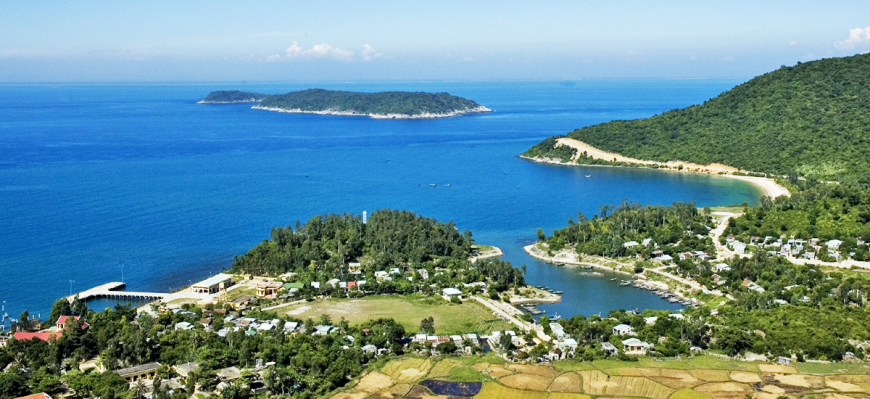
This is the Cham Islands (Cu Lao Cham), a cluster of eight granitic outcrops that serve as a rugged, emerald antithesis to the mainland's manicured tourism. Today, designated as a UNESCO World Biosphere Reserve, Cham Islands has quietly transformed into one of the region’s most compelling eco-success stories.
The Island That Said No to Plastic
What makes the main island, Hon Lao, remarkable isn't just its striking geography; it is the fierce environmental stewardship of its 3,000-strong community.
Back in 2009, long before "single-use plastic bans" became a trendy corporate buzzword, the local government and residents instituted a strict ban on plastic bags. Visitors arriving at the pier are politely but firmly checked. Step onto the dock, and you will notice something instantly jarring for a developing coastline: there is virtually no litter.
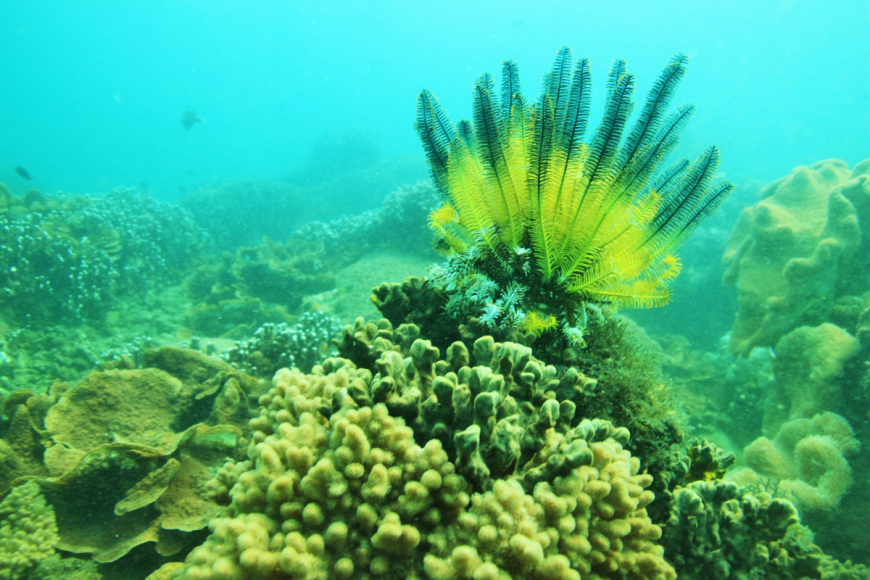
The commitment to conservation extends beneath the waves. The surrounding marine park protects over 300 species of coral and a dazzling array of sea life. Local fishermen have swapped destructive nets for sustainable line-fishing and tourism-driven conservation fees, turning the destination into a model for community-based ecotourism.
Diving into the Biosphere
For adventure seekers, the allure lies in the water. Che Cham Islands offer some of the healthiest coral reefs in the country.
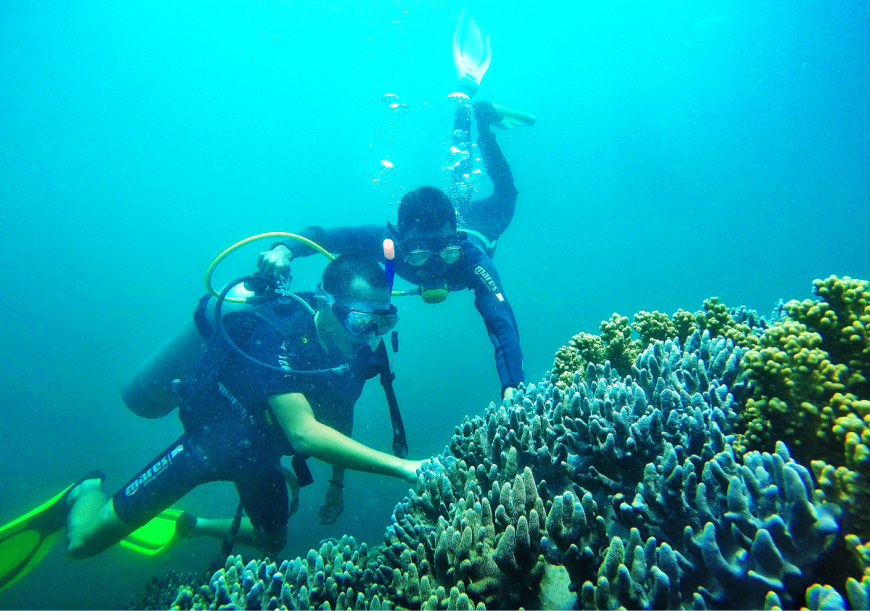
Day-trippers from Hoi An often congregate around Hon Dai and Hon Tai for snorkelling, but to truly experience the marine park, scuba diving is the way to go. Underwater visibility is at its peak between June and August, revealing a vibrant landscape of brain coral, sea anemones, nudibranchs, and schools of iridescent parrotfish.
For the ultra-adventurous, sea-trekking experiences allow visitors to walk along the ocean floor using specialised oxygen helmets, a surreal, close-up look at the marine reserve's strictly protected seabed.
Barefoot Luxury and Ancient Footprints
Beyond the marine life, Hon Lao Island offers a slow-burn charm. The island is traversed by a single, winding coastal road best explored by bicycle or on foot.
In the main village of Bai Huong, life moves at the pace of the tides. Here, the cultural tapestry of the Cham people, who ruled this region for centuries, blends with Vietnamese fishing traditions.
Key Stops on the Island:
- The Hai Tang Pagoda: Built in the mid-18th century, this ancient Buddhist shrine stands at the foot of a forested mountain, serving as a spiritual anchor for fishermen before they brave the open sea.
- The Champa Well: A 200-year-old freshwater well that, according to local lore, never runs dry, even during the peak of the monsoon-less summer. Locals swear the water holds mystical properties, from curing seasickness to bringing good luck in romance.
At night, when the last of the day-tripper speedboats speeds back to Hoi An, the islands undergo a magical transformation. The silence is absolute, broken only by the rhythmic lapping of waves against the wooden hulls of coracles (traditional round bamboo boats).
Accommodation here eschews high-rise luxury for authentic immersion. Think beachfront homestays and eco-lodges where the true luxury is the lack of Wi-Fi, the freshness of the wild jungle vegetables, and the taste of stone crabs caught just hours prior.
If You Go:
- When to Visit: The islands are virtually inaccessible during the monsoon season from October to February due to rough seas. The window from March to September brings calm waters and azure skies.
- Getting There: Speedboats leave daily from Cua Dai pier in Hoi An, taking roughly 25 minutes. For a more leisurely, scenic journey, opt for the traditional wooden cargo boat, which takes about 90 minutes.